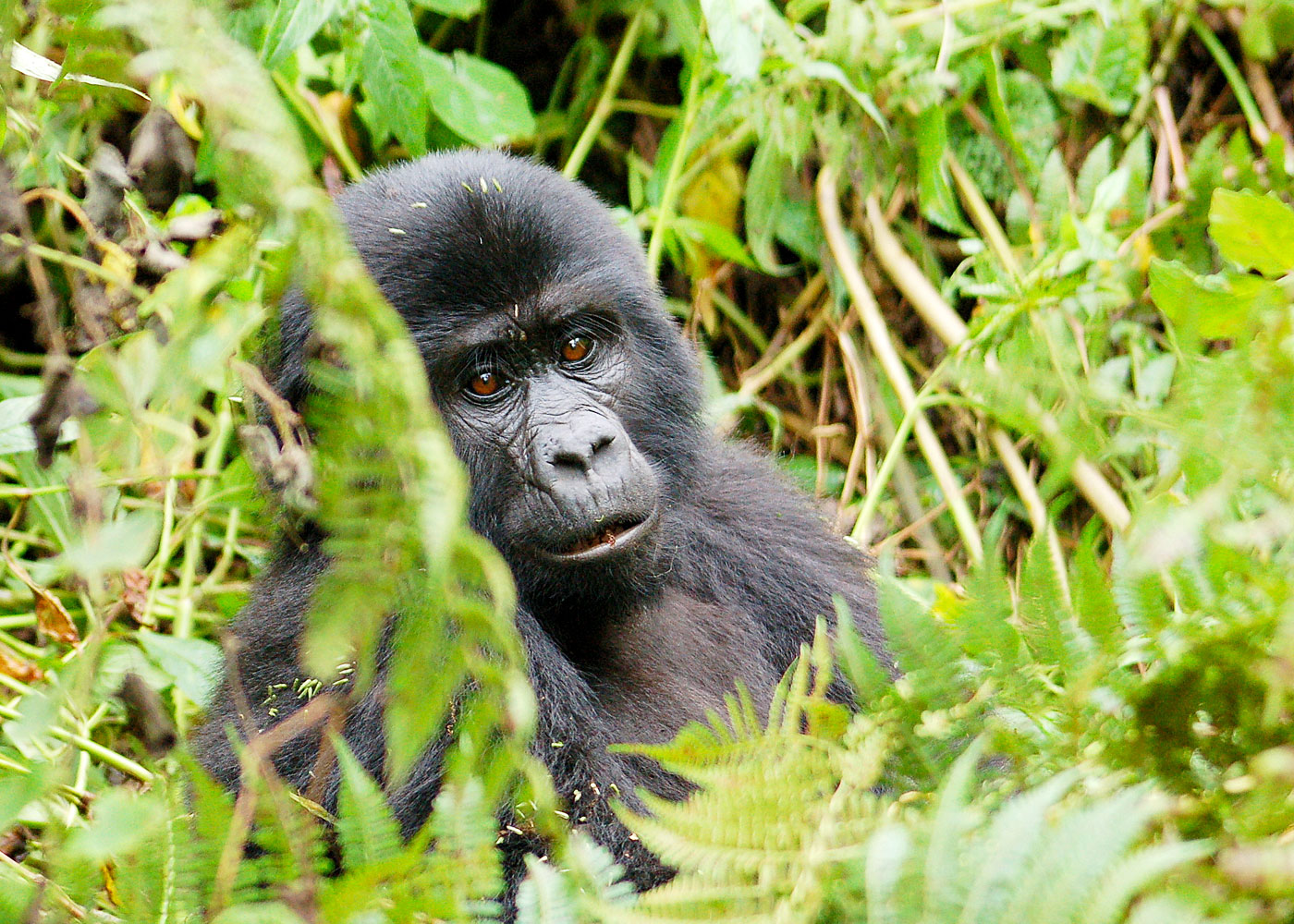
Gorilla trekking in Uganda is more than just an adventure – it’s a unique, immersive experience in the heart of the jungle. Here, you can observe the world’s largest great apes as they forage, play, rest, and interact just seven meters away.
While Uganda offers a range of incredible experiences, few can compare to trekking through dense jungles to see the mountain gorillas. Since 1993, thousands of travelers have had the opportunity to witness these majestic creatures in their natural East-Central African habitat as they feed, break branches, rest, play, or care for their young.
Where to Go for Gorilla Trekking in Uganda
If you’re planning a gorilla trekking adventure in Uganda, you’re in luck. Two forest parks provide unforgettable trekking experiences: the 321-square-kilometer Bwindi Impenetrable National Park and the 34-square-kilometer Mgahinga Gorilla National Park. Bwindi is often the top choice due to its higher concentration of gorillas and a range of accommodations. Whether you choose Bwindi or Mgahinga, you’re virtually guaranteed a chance to see these incredible animals. With both parks located in southwestern Uganda, it’s possible to combine gorilla trekking with other wildlife tours for an enhanced experience.
What to Expect During Gorilla Trekking in Uganda
Gorilla trekking involves hiking rugged, challenging terrain, including steep valleys and dense slopes. Treks typically last between 30 minutes and six hours, with breathtaking views and sounds of the forest along the way. In Bwindi, there are four trekking sectors – Buhoma, Rushaga, Nkuringo, and Ruhija – each offering unique landscapes, varied gorilla group numbers, and different levels of difficulty.
Each morning, trekking begins with a 45-minute to one-hour briefing, covering essential guidelines for safe gorilla viewing. Small groups of up to eight are led by experienced guides from the Uganda Wildlife Authority (UWA), who provide insights on the mountain gorillas and the park’s ecosystem. Given the dense vegetation and lack of clear paths, treks typically last between one and five hours. Spotting signs of gorilla presence, like nests, may indicate that they are near, and you’ll spend a rewarding hour observing and photographing them.
Mgahinga Gorilla National Park
Sharing borders with Rwanda and the Democratic Republic of Congo, the smaller Mgahinga National Park offers a more secluded gorilla trekking experience, especially ideal for those interested in cross-border safaris with nearby Virunga and Volcanoes National Parks. Mgahinga has only one habituated gorilla group, Nyakagezi, with eight daily permits available, creating an intimate experience for trekkers.
When to Go Gorilla Trekking in Uganda
The best times for gorilla trekking are during Uganda’s dry seasons, from December to February and June to September, when forest trails are drier and easier to navigate. As these months are in high demand, it’s advisable to book permits at least six months in advance. The wet seasons (March to May and October to November) see fewer visitors due to heavier rains, which make the trails muddy and challenging.
Gorilla Permit Costs and Booking
Gorilla trekking permits in Uganda cost $800 for foreign non-residents, slightly less for foreign residents, and about UGX 300,000 for East African citizens. The Gorilla Habituation Experience, which offers a more extended encounter, costs $1,500 per person. Permits are issued by the Uganda Wildlife Authority, although most tour operators can arrange bookings on behalf of visitors.
What to Bring
Gorilla trekking requires some preparation, including packing comfortable, breathable clothing, sturdy hiking boots, a safari hat, rain jacket, insect repellant, gloves, binoculars, and a non-flash camera with extra batteries. It’s also wise to bring snacks, water, a small first aid kit, and any essential toiletries.
Gorilla Trekking Rules and Etiquette
To protect both visitors and the gorillas, several rules are enforced:
- Keep a minimum distance of seven meters from the gorillas.
- Limit interactions to one hour.
- Avoid using flash photography.
- Trekking groups are limited to eight people.
- Visitors showing symptoms of illness (e.g., cough, cold) cannot join the trek.
Accommodation Options for Gorilla Trekking
In Bwindi National Park, popular lodges include Silverback Lodge, Engagi Lodge, Clouds Mountain Gorilla Lodge, Gorilla Forest Camp, and Buhoma Lodge. For those trekking in Mgahinga National Park, options include Mount Gahinga Lodge, Amajambere Iwacu Camp, and Travellers Rest Hotel.